
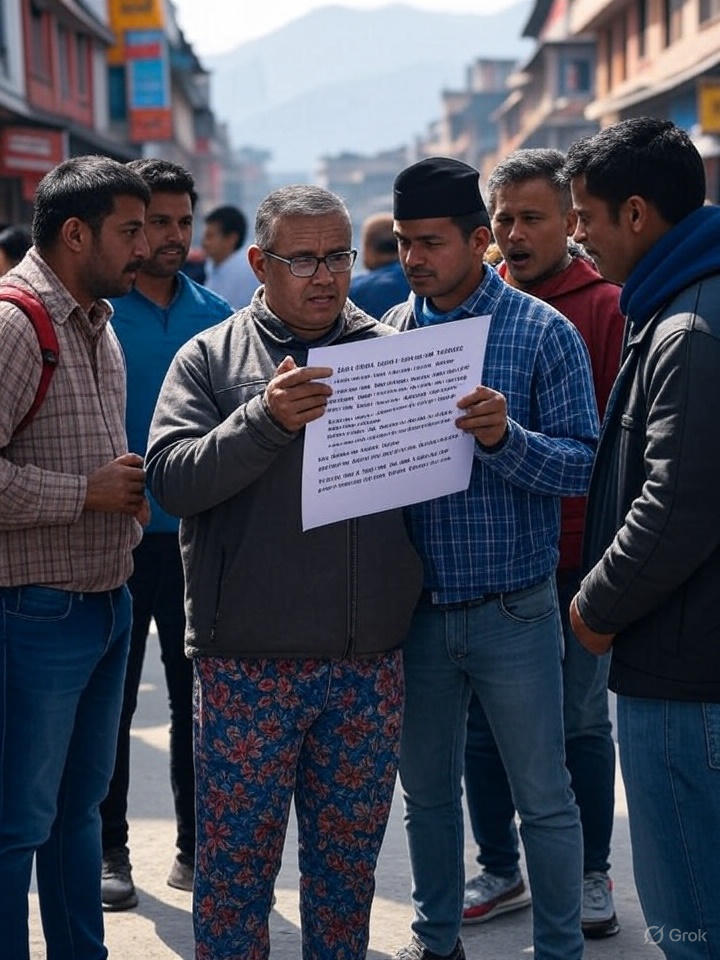
In a stunning move on September 4, 2025, Nepal pulled the plug on 26 major social media platforms, including heavyweights like Facebook, Instagram, YouTube, WhatsApp, and X. The government’s decision, driven by non-compliance with a mandatory registration policy, has plunged the nation into a digital crisis, igniting debates over governance, free speech, and the role of tech giants in a rapidly digitizing society.
The Trigger: A Registration Ultimatum
The ban stems from a Supreme Court directive issued in August 2025, enforcing Nepal’s Directive for Managing the Use of Social Networks (2023). This law requires all social media platforms to register with the government, establish a local office, appoint a liaison, and set up systems to address user complaints and regulate content. When major players like Meta, Alphabet, X Corp, Reddit, and LinkedIn failed to meet the August 28 deadline, the Ministry of Communication and Information Technology, led by Minister Prithvi Subba Gurung, acted swiftly. “These platforms ignored our laws,” Gurung stated, framing the ban as a stand for national sovereignty over unregulated digital spaces.

The blacklist is extensive, targeting platforms integral to Nepal’s online ecosystem: Facebook, Instagram, WhatsApp, YouTube, X, Reddit, LinkedIn, Snapchat, Discord, Pinterest, Signal, Threads, WeChat, Quora, Tumblr, Clubhouse, Rumble, VK, Line, IMO, Zalo, Soul, Hamro Patro, Mi Video, and Mi Vike. Meanwhile, TikTok, Viber, Witk, Nimbuzz, and Popo Live remain accessible, having complied with registration. Telegram and Global Diary are under review, spared for now.
A Nation Unplugged
With internet penetration nearing 90%, Nepal’s 30 million citizens rely heavily on social media for communication, commerce, and news. Facebook alone commands an 87% market share, followed by X (6%) and YouTube (5%), per Statcounter data. The ban has upended daily life, with ripple effects across multiple sectors:
- Personal Connections: For Nepal’s migrant workers, who contribute 33% of GDP through remittances (World Bank), apps like WhatsApp and Messenger are lifelines to family. The blackout has left many scrambling for alternatives.
- Economic Fallout: Small businesses and content creators, especially those monetizing through Meta’s new program in Nepal, face immediate losses. With festivals like Dashain looming, entrepreneurs like Anjali Shrestha, a Kathmandu-based boutique owner, are pivoting to TikTok but lament the limited reach compared to Instagram.
- Media and Activism: The Federation of Nepalese Journalists (FNJ) and global watchdogs like the Committee to Protect Journalists have decried the ban as a blow to press freedom. Social media fuels independent journalism and public discourse in Nepal, and its absence could silence critical voices.
Voices of Dissent and Adaptation
Public reaction has been a mix of frustration and defiance. Social media feeds buzzed with “final posts” before the ban, and many users have turned to VPNs, echoing tactics used during Nepal’s 2023 TikTok ban. Cybersecurity expert Rakesh Thapa warns, however, that free VPNs often carry risks like data breaches, complicating workarounds. Digital rights advocates, including Access Now, have slammed the move as authoritarian, arguing it violates Nepal’s constitutional protections for free expression.
Analysts see the ban as part of a broader push for control. A proposed social media bill, still under parliamentary review, would penalize content deemed harmful to “national unity,” raising fears of censorship. “This isn’t just about registration,” said media scholar Priya Adhikari. “It’s about setting a precedent for state oversight of digital spaces.”
A Pattern of Regulation
Nepal’s history of social media crackdowns offers context. In 2023, TikTok was banned for allegedly promoting harmful content but was reinstated in 2024 after compliance. Whispers in Kathmandu suggest Meta initiated talks with officials post-ban, hinting at potential negotiations. Minister Gurung has promised swift restoration for any platform that registers, but the lack of transparency around the process fuels skepticism.
Looking Ahead
Nepal’s bold stance reflects a growing global tension between governments and tech giants. While the government claims it’s protecting citizens from misinformation and cybercrime, critics argue the cost is too high—alienating users, crippling businesses, and undermining democracy. As Nepalese citizens navigate this digital void, the world watches to see if this blackout will force compliance or spark a larger reckoning over internet freedom in the Himalayan nation.









Leave a Reply